
Published August 6, 2023
Important Things You Should Know About Driving to the State of Alaska

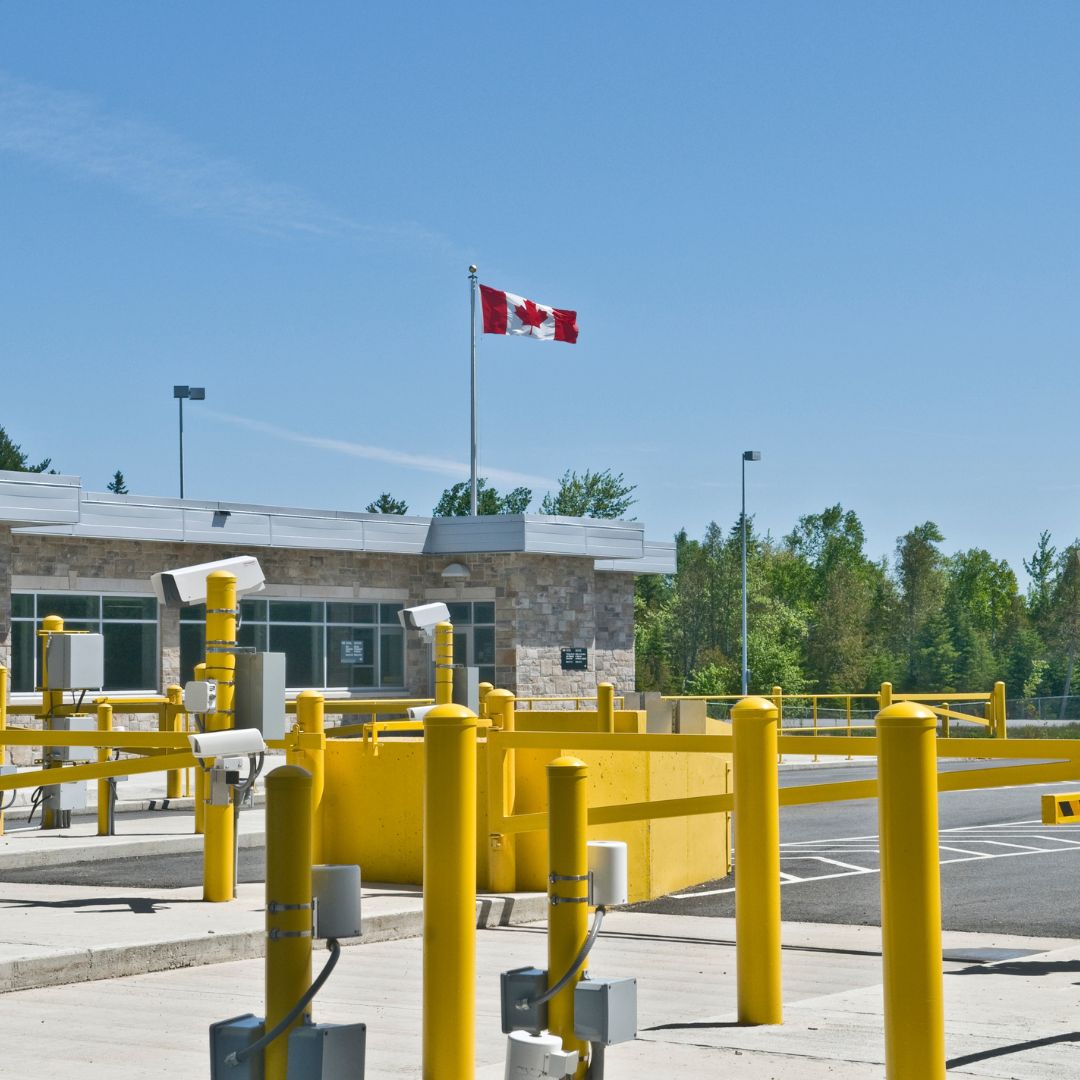
Are you getting ready to embark on the ultimate road trip? Driving to Alaska via Canada will give you unparalleled views, access to national parks, activities for every explorer, and endless learning opportunities! No matter what route you take, you're guaranteed to encounter breathtaking scenery, abundant wildlife, and you'll create memories that will last a lifetime.
Before you begin your road trip, it is important to plan as much as possible and get prepared. Get ready, buckle up, and bookmark this blog, because we're about to cover some very important topics about traveling through the Alaskan and Western Canadian wilderness!
1. What should I know about crossing the border?
The absolute easiest way to cross the US/Canadian border is with a government-issued passport; however, we know often times military orders come quick and there may not be enough time to get your passport. Here's a few things to remember:
- Be prepared to show a copy of your military orders (take extra copies, trust us).
- Anyone traveling without a government-issued passport should have their birth certificate and a photo ID.
- Traveling with a pet through Canada will require additional paperwork. For example, dogs and cats may be transported through Canada with proof of rabies vaccine. A health certificate is also recommended and may be required by border officials.
- You may not be able to enter Canada if you have a criminal record.
- Canadian Covid requirements have ended.
- There are further steps required to take firearms (with the exception of rifles and shotguns). For more information, visit the Canadian Border Patrol Agency's website at https://www.cbsa-asfc.gc.ca/import/iefw-iefa-eng.html
2. Do you have any tips for the long drive?
With any kind of travel, you should always take extra steps to be prepared. Majority of the drive takes you through the remote wilderness, meaning you may not have instant access to things you need in the event of an emergency. Pack a first aid kit and consider carrying an extra can of gasoline. Depending on the time of the year in which you travel, carrying chains isn't a bad idea. Snow fall during the spring or fall isn't unheard of in those areas which can make for difficult road conditions. Additionally, remember to always wear your seatbelt, obey the speed limit, and watch for wildlife!
3. How's the cell service?
Cell service comes and goes, no matter which route you plan to take. It may be nonexistent in the more remote areas of your trip, although in most cities and towns you can find service or WiFi. Updating friends or family as often as possible with your route plans is a smart move! Be sure to check with your phone company prior to your trip regarding roaming or international plans.
4. How long will it take me to make the drive?
This is entirely up to YOU! The trip can be made in just a few days, but you may want to take some time and explore some stops along the way! It's always smart to give yourself an extra day or two as a buffer in the event of an unexpected emergency or unplanned stop. Be sure to stay within your issued number of travel days, and safely enjoy the trip!
5. Can I drive to Alaska during the winter?
The drive is absolutely doable during the winter months. With a little extra planning and caution, the drive can be a fun, safe adventure. Roads tend to be less busy during the winter, but the conditions tend be more snowy or icy. Studded tires can be a beneficial investment, but winter tires are required in British Columbia from October 31-March 31. Grab a copy of the Milepost book prior to your trip so you can plan which lodges, stores and services are open during the winter. Packing emergency cold gear is another thing to add to your to-do list if you PCS during this time of the year. Remember, top off on gas any time you see an open gas station!
6. What should I pack in my vehicle?
Packing for this trip is a very important step! The time of year you drive to Alaska will determine which type of clothing you should bring. If you PCS during the summer, you'll be fine with your typical summer clothing (maybe toss in a sweatshirt in case it gets chilly at night). If you're moving during the spring or fall, be sure to bring a rain jacket! A winter move will require more clothing, as you should be prepared with extra layers, socks, and emergency cold gear. If you plan to stop and hike or explore along the way, a pair of hiking shoes will be your best friend.
Don't forget to pack things for your vehicle, too! We suggest a first aid kit, car jack, jumper cables, general auto-repair supplies, and snacks... lots of snacks!
You can never be too prepared for a road trip like this one, so don't feel bad about overpacking. Plan your route with the time of year in mind, and you'll be well on your way to an unforgettable journey to the 49th state!